Thursday, September 19, 2013

Scientists discover exact mechanism for how broccoli and crucifers fight deadly cancers


Scientists have been mounting evidence to support the cancer-fighting abilities associated with consuming broccoli and other members of the crucifer family for more than a decade. Past studies have shown that this super-food family directly influences the expression of more than 400 genes immediately after eating the tasty vegetables. Further research bodies have also shown that broccoli consumption can play an important role in lowering the risk of developing cardiovascular diseases, and yet to date, the precise metabolic pathway for disease prevention has largely been unknown.

A team of research scientists from Britain's Institute of Food Research have published the results of their work in the American Journal of Clinical Nutrition to explain how metabolic modifications brought about by consumption of high-glucoraphanin broccoli may be behind the suggested health benefits and cancer-fighting ability of the cruciferous vegetable family. Scientists noted that this study provides the first evidence from human studies for a possible mechanism behind the suggested ability of glucosinolates, including glucoraphanin found in broccoli, to reduce the risks of chronic diseases and cancers.

Broccoli and crucifer compounds rejuvenate critical mitochondrial function to prevent chronic illnesses

Researchers fed a special cultivar of broccoli, a combination of wild and commercially available broccoli that contains high levels of glucoraphanin, to nineteen volunteers each week for three months. They compared the first group to two other groups eating the same diet, except one consumed commercially available broccoli and the third ate none of the crucifer. The team observed that those eating the glucoraphanin-rich vegetable showed signs of an improved metabolism.

The scientists determined that a compound commonly found in crucifers, known as sulforaphane, improved the chemical reactions inside mitochondria, the power source for our cellular machinery. The study found that glucoraphanin helped 'retune' metabolic processes in the cells that get disrupted as we age. Lead author, Dr. Richard Mithen commented, "We think this provides some evidence as to why people who eat diets rich in broccoli may keep in good health... mitochondria are really, really important, and when they start to go wrong it leads to many of the diseases of aging."

The nutritionists performing the study recommend eating broccoli two to three times a week. Other health-promoting members of the cruciferous vegetable family include Brussels sprouts, kale and cauliflower. Dr. Mithen concluded "We think it is significant because it shows in humans a measurable effect on our metabolism, which is central to our overall health and could explain the diverse range of beneficial effects many observational dietary studies have shown previously." It is important to note that while this study used a specially concentrated type of broccoli to produce the stated results, consumption of commercially available broccoli and crucifers have been shown to exhibit similar anti-cancer properties when eaten over a longer period of time.


Cinnamon levels up from common spice to 'super' health food


A team of scientists elevated the prized spice, cinnamon, from its culinary applications to a loftier stratum as a promising molecular weapon for combating chronic diseases. Researchers from various fields, including Kiram Panickar, Heping Cao, Bolin Qin and Richard A. Anderson, collaborated in making this significant breakthrough. The results revived ancient interest in the therapeutic benefits of common cinnamon, Cinnamomum verum or Cinnamomum zeylanicum, also known as the "true cinnamon," to modern genomic medicine. Compounds found in cinnamon revealed multiple utility in terms of enhancing the effects of insulin, its antioxidant function, efficacy against inflammation, and its neuroprotective benefits.

Cinnamon polyphenol extract (CPE) regulates a number of genes and exerts a significant influence on the metabolism of glucose. Various studies conducted on human subjects afflicted with metabolic syndrome, polycystic ovary syndrome and type 2 diabetes mellitus also showed the beneficial effects of whole cinnamon and its aqueous extract on the glucose, insulin, lipid profile and anti-oxidant status of the patients.

Experts also posited possible effects of cinnamon compounds on body composition, lean body mass and inflammatory response.

Cinnamon Extract Helps against Dyslipedemia

Patients with metabolic syndrome develop resistance to insulin action, which in turn causes dyslipedemia or abnormal level of lipids in the blood. In most cases, the problem is hyperlipedemia. Cinnamon presents a good potential in lowering lipid levels in both animal and human subjects.

Cinnamon Extract Lowers Systolic Blood Pressure

Agents that are typically employed as an intervention for insulin resistance and/or lower circulating insulin concentration in the blood also tend to lower blood pressure. Such agents include nutrients, nutritional supplements, and drugs. Research conducted on spontaneously hypertensive rats fed with sucrose-containing diet showed that elevated systolic blood pressure (SBP) is lowered when the rats were given dietary cinnamon. This presents a promising development highlighting the efficacy of cinnamon not only for sucrose-induced high SBP but also for hypertension caused by genetic factors.

Molecular Targets

Based on the aforementioned link between chronic diseases and genetic influences, research is now pursuing genomic targets for therapy. Quantitative research on polymerase chain reaction was performed to examine the effects of aqueous cinnamon extract on the expression of genes coding for the glucose transporter (GLUT) and anti-inflammatory tristetrapolin (TTP) families, components of the insulin signal transduction pathway, etc. So far, there are tell-tale signs that the medical hypotheses on selected targets are leaning towards positive results.

Age-Old Super Spice

From its basic ancient uses as treatment for toothache, anti-halitosis or bad breath, medication for the nasty common cold and digestion aid, cinnamon has gone quite a long way. Recent studies also showed that even just the smell of cinnamon or chewing cinnamon gum improves brain function from memory to visual-motor speed, recognition, and attention and focus.

In Closing: Cinnamon Now a Certified "Super" Food

It's no wonder that cinnamon is now a "super" spice being painstakingly developed through genomic medicine to neutralize stubborn chronic diseases that have plagued the modern world. There is voluminous research evidence for its medicinal value and health benefits. Cinnamon doesn't just spice up the gustatory sense. It spices up your health for a better life ahead.

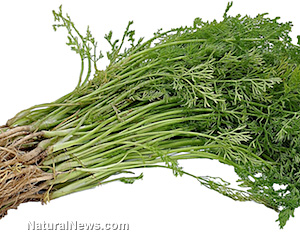
Disease prevention and other health benefits of parsley


Dr. Harold Gunatillake, an affiliate of the Fellowship of the Royal College of Surgeons, asserts that the herb, parsley, has more to offer than being a mere colorful trimming on the delectable dishes most often served in restaurants. Beyond its almost negligible size and its tasty green dynamic flavor, parsley has plenty to offer in terms of health benefits and disease prevention.

Most popular types of parsley

Two very well-known types of parsley are the curly parsley and the Italian flat leaf. The flat kind possesses a more aromatic scent and a less pungent flavor compared to the curly type. The curly type is preferred by people because of its decorative look that is great for use as garnishing. Another type of this herb, known as root or turnip-rooted parsley, is grown for its roots similar to a type of oyster plant or the weedy, biennial plant known as burdock. Root parsley is typically used in cooking within the regions of Central and Eastern Europe. It is used as a nibble or vegetable addition for stews, stocks, soups, sauces, and casserole dishes.

Nutrition rating system

According to the food rating system, a typical serving of parsley contains vitamin K or potassium, vitamin C or ascorbic acid, vitamin A, folate, iron, and zero calories. A small stem of parsley has two uncommon elements that provide exceptional heath benefits. One is a volatile oil, specifically, myristicin, while the other component is made up of flavonoids.

Prevention of illnesses and cell damage

In the course of animal researches, volatile oils have been proven to impede development of tumors specifically in the lung area. Myristicin was also proven to trigger glutathione-S-transferase, an enzyme that facilitates the attachment of the glutathione molecule to molecules that have gone through the oxidation process. The actions of volatile oils make these food components serve as neutralizers for certain types of carcinogenic substances. Luteolin, one of the flavonoids, has been proven to function as an antioxidant. It combines with very reactive molecules that carry oxygen or oxygen radicals. This combination helps in preventing cell damage. Parsley extracts were utilized in animal researches and were proven to help in improving the blood's antioxidant function.

Conclusion

In summary, apart from these flavonoids and volatile oils, Dr. Gunatillake reports this herb as one of the best sources of essential nutrients. It contains folic acid, vitamin A or the anti-infective vitamin, and vitamin C which is useful in preventing illnesses. It helps in lowering the levels of free radicals and in maintaining the healthy function of the body's immune system. Parsley may also facilitate good appetite, improve the digestive process and urine production, diminish spasms, and increase menstrual flow.

Health benefits of okra


Okra is available the entire year in the southern lands, but for Americans, it is only available during summer. The appearance of okra is comparable to that of a grooved pepper, and it belongs to the same genus as both cotton and hibiscus. Food experts said that the most likely origin of this vegetable is Africa, and it was transported from there to the United States about 300 years ago.

Unique Characteristics of Okra

Okra looks appealing with its tender leaves and fruit. But its most outstanding feature is the fruit's gelatinous and slimy juice that gets released and mixed into sauce or soup during cooking. That gelatinous, slimy juice is a favorite ingredient in soups and gumbos.

But if the juice is not to your liking, you can try frying it quickly along with cornmeal on a saute pan. It is important that you take advantage of this wonderful fruit for all the health benefits that it can give.

Okra Health Trend

This vegetable is packed with fiber, which is good for cholesterol management. It has been found to contain folic acid and vitamin B6 with amounts equivalent to 1/10 of the recommended daily intake for Americans.

Okra plant grows naturally in regions that have warmer climates. South China is one such region. Kantha Shelke, from the Institute of Food Technologists, said that okra was the vegetable served to Olympic athletes during the Beijing Olympics. She added, okra is also called "plant Viagra" in the US and "green panax" in Japan, due to the physiological effects it can bring. The okra fruit has been found to contain polysaccharides, food nutrients that can improve blood flow the way Viagra can.

Back here in the US, Americans are still in the adjustment period with regard to the use of okra. It is gaining popularity in some quarters but not with the mainstream American consumers. Shelke, a researcher on food trends, pointed out that okra chips are popular in vegetarian and Indian restaurants. Another vegetable researcher, Eugena Yoo of the New York City Green market, said that New Jersey foreign communities tend to favor okra over other vegetables for its purported health benefits.

The Nutrients Okra Contains

Okra contains vitamins, minerals and the antioxidants epicatechin, catechin, rutin, procyanidin B1 and B2 and quercetin. These antioxidants are capable of preventing damage to cells caused by environmental factors and stress.

Okra's physiological effects are credited to the carbohydrates that it contains. According to Shelke, its physiological effects include the following:
  • Anti-diabetic effect - the fiber in okra is able to slow down sugar absorption to the blood.

  • Lipid-control effect - The soluble fibers of okra, called pectin, are able to lower blood cholesterol by 10%.

  • Brain-function-improvement effect - Shelke reported that people in Southeast Asia, the Far East and the Middle East eat okra for the purpose of improving brain functions.

Conclusion

Though new in the medical arena, okra is gaining popularity fast. If anyone is suffering from diseases or needs nutritional supplementation, incorporating okra into the diet may just be one of the best steps to take.

Five restaurant mistakes you should avoid


A recent article published in Health Magazine revealed some common restaurant mistakes that healthy people on a diet might make unconsciously, impeding their quest for weight loss. Listed here are 5 of the most common mistakes healthy people make.

Mistakes you didn't realize you did

  • Most dieters believe that if they use a smaller plate they'll be eating less so they lose weight and stay healthy.

To debunk that belief, it is not about the plate; it's what one eats and how the food was cooked. One can put little amounts of food on your plate each time, but if one goes for second servings then that is not very healthy. Ask for foods that are grilled or steamed as they will make you lose weight rather than look for smaller plates.
  • One of the restaurant mistakes healthy people make is that they usually order salads.

What many diners fail to realize is that most chefs add butter or oil to give flavor to the dish. The best thing to do is to ask for "dry salad" instead. You can ask them to separate the serving of the dressing so you have more control.
  • Everybody loves steak.

When you want to eat healthy, you order lean meat, right? The tricky part is those that are served with your steak. Most restaurants serve them with side dishes cooked in butter or sauce. Most people think that this is still healthy, but they should know better. You can ask that yours be without those side dishes or you can ask for a side order of grilled lemon just so you'll have some flavor on your steak.
  • Looks can be deceiving.

Foods look more appetizing when served in a different way but you shouldn't let it distract you from being aware of what is served on your plate. Check out the portioning as there might be more carbohydrates or the salad has unhealthy dressing. Identifying small details like these can really go a long way.
  • Another common mistake made is just ordering without asking questions.

A diner may be familiar with the restaurant or the chef but it is still wiser to ask questions. You might see in the menu "grilled" or "steamed" but you will never know what other components have been added. It is therefore better to ask if there is cream, butter, or oil in the dish. It won't hurt to ask (Considering the possible consequences, it will hurt NOT to ask.). Health-conscious individuals tend to ask more about how their food was prepared to ensure that they are being served the healthiest of foods.

These restaurant mistakes healthy people make are quite common and often times overlooked. For healthier eating, it is advisable to be mindful and to be inquisitive rather than relying on whatever is readily available.

Top 10 health benefits of fiber


Dietary fiber provides numerous benefits to the human body. The top ten benefits include keeping the heart healthy, cancer prevention, it lowers cholesterol, prevents gallstones and kidney stones, promotes healthy skin, prevents stroke, aids in weight management, regulates bowels, increases energy, and it may affect the course of diabetes.

Check the top benefits of dietary fiber:

1) Your heart.

Studies have shown that high fiber intake, 5 servings of fruits and vegetables per day, may prevent heart disease.

2) Cancer Prevention.

Studies have shown that fiber increases how quickly food is passed through the digestive tract, which may protect against some types of cancer. Namely, colon cancer, breast cancer, ovarian cancer and uterine cancer.

3) Lowering Cholesterol.

Fiber binds with cholesterol during digestion and prevents it from being absorbed and clogging the arteries. This lowers bad cholesterol (LDL's) in the blood.

4) Gallstones and Kidney Stone Prevention.

Fiber is known to prevent large amounts of insulin from entering the bloodstream during digestion, which is a leading contributor to the creation of gallstones and kidney stones.

5) Promoting Healthy Skin.

Fiber is essential in ridding the body of toxins which directly affects the health of your skin. By ingesting roughage, such as leafy vegetables, fiber binds with cholesterol and its rough texture helps rid your intestines of toxic material that could otherwise be left behind. Toxins can affect the entire body, but is most obvious in the skin. Healthy skin is the result of good blood flow when toxins are cleared from your system.

6) Preventing Stroke.

Studies show that increasing fiber in the diet lowers the risk of stroke. According to the American Heart Association, a total of 25 grams of fiber should be consumed each day. Fiber can be found in produce (fruits and vegetables and whole grains).

7) Weight Management.

With proper nutrition, hunger can be regulated and slowed. Eating whole grains with more fruits and vegetables causes the body to feel full quickly. By introducing more fiber into the diet, hunger is regulated naturally and prevents obesity.

8) Regulates Bowels.

The carcinogens in the intestine bind to the fiber, creating bulk to the stool, which keeps waste moving properly through the digestive tract. By incorporating fiber into the daily diet, constipation may be prevented in addition to hemorrhoids. Without leaving residue as waste passes through the intestine, the flow of fiber helps to lessen the risk of colon cancer, as well as regulating bowel movements.

9) Increases Energy?

Some foods and dietary supplements tout fiber as an energy source. This is a myth. Fiber is a form of indigestable carbohydrates that derive from foods such as grains. There are no calories and fiber does not produce energy on its own.

10) Helps with Diabetes.

Fruits and vegetables help regulate blood sugar, which is the key in preventing diabetes. For people who live with the condition, fiber can alter the recommended dosage of medication (insulin).

The perfect trip: Cambodia


Marvel at the palaces, markets and bars of the capital, Phnom Penh, before heading north to Siem Reap for excursions to a floating village on Tonlé Sap Lake and the extravagant, inspirational temples of Angkor. From there, it is south to the untouched jungles of the Cardamom Mountains, finishing with a homestay on a rural family farm.
Phnom Penh: Best for culture
Phnom Penh is eerily quiet. A sole remork – the usually ubiquitous motorised rickshaw – rolls languorously past the Royal Palace to a deserted Tonlé Sap riverfront. Here, among the shuttered-up shops facing the palm-lined promenade, food stalls sell noodle soup and beef skewers to infrequent customers.
The peace doesn’t last. As the Khmer festival that emptied the city ends, Phnom Penhois who’d been drawn to rural family gatherings in their tens of thousands flood back to the capital and the beguiling chaos resumes. After a troubled history, which reached its nadir with the Khmer Rouge’s enforced eviction of the city in the ’70s, the ‘Pearl of Asia’ is thriving, with a flourishing café culture and a glut of world-class fusion restaurants.
Prosperity has added an extra sheen to its cultural institutions too, many of which were built during Cambodia’s French Protectorate era, beginning in 1863. Among these is the Art Deco Psar Thmei, a pastel-yellow covered market with four wings radiating from an enormous central dome.
A few hours after dawn and the Central Market, as it is also known, is already a blur of browsing and bartering. Business is brisk at textile stalls selling traditional checked krama scarves, while elsewhere chattering shoppers weave past fruit outlets piled with lychees and crimson dragon fruit, and stalls overflowing with lotus flowers and bunches of fragrant Rumdul, Cambodia’s national flower.
Just a few blocks from the market, the National Museum is close enough to the riverfront to receive some of its welcome breeze. A group of schoolchildren in matching white polo shirts and flip-flops plays in the shade of the terracotta building’s neatly tended garden while, inside, visitors reflect upon 1,000 years of Khmer sculpture.
The adjacent Royal Palace, with its glistening spires and dragon-tail details, still dominates the city’s low-rise skyline. In a corner of one of its courtyards, a team of artists is working to restore a 1901 mural of the Reamker – Cambodia’s version of the epic Hindu poem the Ramayana.
 ‘When I did classical painting at university, we studied the Ramayana,’ says lead artist Roeung Sreyna, gesturing to the mural behind her, where spirits and horse-drawn chariots float over a celestial palace in the sky.
 The project is slow and technical. Matching the colours takes time, as does cleaning stains and fixing damage from humidity. ‘We take one section at a time,’ she says, pointing at a three-foot-wide band. ‘Two months for each section, and we have to work slowly. If it were a normal painting, we could do it in a year, but this is our history, so we have to take care.’
Tonlé Sap: Best for lake life
In the village of Me Chrey, the streets are made of water and the wooden houses float. The village’s 500 families are among the thousands who have settled on the surface of the freshwater Tonlé Sap, Cambodia’s ‘Great Lake’, where, not surprisingly, life revolves around the water. As dawn breaks, Me Chrey is already abuzz. Toddlers paddle small aluminium tubs down the main street, fruit and vegetable sellers in bright floral clothing and conical hats navigate boats between houses, and householders check for breaches in ‘fish banks’ – submerged reed baskets where fish are kept until market day. Shouted greetings and lively chatter are punctuated by the occasional snort of a pig from a floating pen. Further out on the water, a family retrieves traps and nets laid out in wide, intricate arrangements.
It’s an itinerant existence. The floating houses, which are tied to one another, are moved by the villagers four times a year to follow migrating fish stocks. The lake’s wildly fluctuating dimensions also a play a part – in the rainy season, Tonlé Sap swells to more than 6,000 square miles, raising the floating houses by around eight metres. Dry season sees the potential spots to anchor reduced significantly.